
Introduction
A new group of European architecture centres are fo-
cused on developing closer links between vocational edu-
cation and training (VET) initiatives in the areas of urban-
ism, town planning, architecture, landscape archi tecture
and other built environment professions. The group col-
laborates on: identifying common approaches to VET
between the partners, support for graduates entering the
labor market, guidance and advice on VET for secondary
school teachers and the creation of a manual for interna-
tional internships.
International project meetings are an important ele-
ment of the group’s activities. During visits, partners have
an opportunity to meet, get acquainted with each other’s
latest progress, meet additional collaborating organiza-
tions, experience the culture and specifi cs of particular
countries and begin to understand the key differences and
similarities concerning professional work of architects,
urban planners, landscape designers and related disci-
plines in the hosting country. The meetings also serve to
establish timelines and delegate tasks regarding the “Re-
port on Good Practice”.
2014
3(39)
DOI: 10.5277/arc140309
Joanna Jabłońska*, Sally Robertshaw**
Sieć Architektonicznego Kształcenia Zawodowego.
Nowy europejski projekt wspierający uczenie się
i wymianę doświadczeń
Architecture Vocational Learning Network.
New European Project that Supports Learning, Teaching
and the Transfer of Information
Wprowadzenie
Nowa grupa europejskich ośrodków architektury „Ar-
chitecture Vocational Learning Network” (Sieć Architek-
tonicznego Kształcenia Zawodowego), utworzona w ra-
mach realizacji międzynarodowego projektu Leonardo
da Vinci 2012, nr 2012-1-GB2-LEO04-08241 5, koncen-
truje się na wzmacnianiu związków między kształceniem
szkolnym i akademickim a inicjatywami szkoleń, prak-
tyk i staży zawodowych w zakresie urbanistyki, planowa-
nia miast, architektury, architektury krajobrazu i dziedzin
pokrewnych. Grupa partnerska współdziała przy: wypra-
cowywaniu wspólnego stanowiska dotyczącego kształce -
nia i szkolenia zawodowego dla środowiska budowla-
nego, wspieraniu absolwentów wchodzących na rynek
pracy, przy gotowywaniu wskazówek i porad dla nauczy-
* Wydział Architektury Politechniki Wrocławskiej/Faculty of
Architecture, Wrocław University of Technology.
** Midlands Architecture and the Designed Environment,
Birmingham, United Kingdom.
Sprawozdania/Reports

98 Sprawozdania /Reports
Goals of the project
There are fi ve main goals of the project:
1. Share information and develop common approaches
to VET Vocational Architectural Training for unemployed
graduates and employed professionals.
2. Develop training for teachers of VET linked to built
environment subjects.
3. Work together to develop and promote links between
informal and formal vocational training which fosters the
relationship with urban context to improve quality of life.
4. Investigate a potential programme of work place-
ments in other member states.
5. Start to develop a pan European architecture network.
Members of the partnership
1.
MADE (coordinator of the project)
MADE is an organisation dedicated to improving the
quality of our towns, cities and villages. We believe that
a high quality built environment is essential for economic
prosperity and wellbeing. We deliver projects and pro-
grammes across 4 main areas of work; Design Quality,
Arts and Culture, Education and Community. For over
a decade our Education programme has worked with chil-
dren and young people to increase awareness of the value
of design and opportunities to access the built environ-
ment professions. We work with schools, universities,
communities, professionals and other cultural organisa-
tion’s in the West Midlands region to encourage engage-
ment with the built environment by young people.
We also offer vocational training for professionals to
consistently raise standards and encourage debate about
design and place and support communities to have a de-
cisive say in the future of their places. As co-ordinator of
the Leonardo Project we are working to identify and share
good practice approaches to VET for the built environ-
ment to ensure that participation within the design pro-
fessions is inclusive and representative [1].
2. Colaborativa
Colaborativa is a design and social action agency of
architects and engineers. We colaborate with people, com-
munities and companies in real projects that make a dif-
ference. Colaborativa believes in design and technology
as a tool for social, cultural and economic change.
Our cultural activities encourage debates and actions
to improve our built environment. We are constantly in-
volved in collective projects in Córdoba to recover aban-
doned publicly owned spaces and have also a continuous
activity in non-formal built environment training [2].
3. Vuste-Envis
Vuste-Envis Ltd was established in 1992 as a vocation-
al training centre in Prague. We have a lot of experience in
hosting participants in the Life Long Learning programme
from across the EU, welcoming more than 100 Leonardo
Mobility participants each year. Most participants have
been recent graduates and students, and we provide them
with initial cultural preparation and relevant work experi-
ence placements from 1–6 months. We liaise directly with
employers and co-ordinate between them and mobility
cieli szkół średnich oraz tworzeniu podręcznika prowa-
dzenia praktyk i staży zagranicznych.
Spotkania międzynarodowe przedstawicieli partne-
rów projektu są ważnym elementem działalności grupy.
Podczas wizyt, reprezentanci mają okazję spotkać się,
zapo znać z postępami prac, wymienić doświadczenia
z in ny mi organizacjami, przyjrzeć się kulturze i specyfi ce
po sz czególnych krajów oraz zrozumieć główne różnice
i po do bieństwa dotyczące pracy zawodowej architektów,
urbanistów, projektantów krajobrazu etc. Spotkania służą
także do ustalenia terminów i rozdzielania obowiązków
doty czących, m.in. sporządzania „Raportu Dobrej Prak-
tyki” – dokumentu podsumowującego i upowszechniają-
cego pracę partnerstwa.
Cele projektu
Jest pięć głównych zadań projektu:
1. Wymiana informacji oraz wypracowanie wspólne-
go stanowiska w zakresie kształcenia zawodowego dla
bezrobotnych absolwentów i zatrudnionych profesjona-
listów.
2. Opracowanie programu szkoleń dla nauczycieli edu-
kacji zawodowej związanych z sektorem budowlanym.
3. Współpraca nad rozwijaniem i promocją związków
między nieformalnym i formalnym kształceniem zawo-
dowym, które związane z urbanistyką przyczynią się do
poprawy jakości życia.
4. Zbadanie potencjału programu stażowego w pań-
stwach członkowskich.
5. Rozwój ogólnoeuropejskiej sieci architektonicznej
umożliwiającej wspólną pracę nad kształceniem zawodo-
wym oraz przyszłymi wyzwaniami.
Członkowie partnerstwa
1.
MADE (koordynator projektu)
MADE jest organizacją zajmującą się poprawą ja-
kości przestrzeni miast i wsi. Jej członkowie wierzą, że
środowisko zbudowane jest kluczowe dla powodzenia
gos podar ki i ogólnego dobrobytu. Prowadzą projekty
i pro gra my w czterech dziedzinach, m.in. związane z pra-
cą za wodową w: projektowaniu, sztuce i kulturze, edu-
kacji, oraz skierowane do lokalnych społeczności. Przez
ponad dekadę realizują program edukacyjny dla dzieci
i młodzieży, mający na celu zwiększenie ich świadomo-
ści na temat wartoś ci projektowania i możliwości pracy
w zawodach związanych ze środowiskiem budowlanym.
Współpracują ze szko łami, uczelniami, społecznościami,
osobami z branży i or ganizacjami kulturalnymi w regio-
nie West Midlands.
Oferują również szkolenia zawodowe dla zatrudnio-
nych, służące konsekwentnemu podnoszeniu jakości
pra cy, zachęcaniu do debaty na temat projektowania
i prze strzeni oraz wspieraniu społeczności w wyraża-
niu os ta tecznego głosu w sprawie przyszłości ich miejsc
zamiesz kania. Jako koordynator projektu Leonardo sta-
rają się dzielić dobrymi praktykami w zakresie szkolenia
zawo do wego dla
se ktora budowlanego oraz określać wła-
ś ciwe standardy [1].

Sprawozdania /Reports 99
participants, arranging interviews and introductory meet-
ings, and we offer mentoring and welfare support during
the placements to make sure individual needs are met [3].
4. The Faculty of Architecture La Cambre-Horta
The Faculty of Architecture La Cambre-Horta is part
of the Université Libre de Bruxelles, part of the UNICA
network of Universities from Capitals of Europe. The
Faculty of Architecture is the result of the merger of two
institutes, each with a long and rich experience of educa-
tion. The new faculty holds that architecture is an art of
public and social reason, to meet the arts and sciences,
reality and imagination, rigour and feeling, poetry and
technology, traditions and innovations [4].
5. Wrocław University of Technology
Wrocław University of Technology is a public higher
education institution founded in 1945. Our position in the
research and teaching fi eld places us among the top tech-
nical universities in Poland. The educational standards
offe red at the university are closely connected with our
dynamic scientifi c work and industrial experience. Re-
search and education are strongly infl uenced by interna-
tional cooperation with over 430 partner universities all
over the world. There are over 33,000 students at WrUT
enrolled in a wide range of fi elds including Architecture
and Civil Engineering [5].
First mobility
On 28
th
–30
th
November 2012 members of partnership
met each other for the fi rst time in person at headquar-
ters of project coordinator MADE in Birmingham, United
Kingdom. The seminar was attended by: The Faculty of
Architecture at the Wrocław University of Technology
(FA WrUT), Colaborativa and Vuste-Envis. The cycle of
discussions, seminaries and lectures started to take form,
led by the coordinator MADE, who are focused on help-
ing young people engage with the built environment, ex-
plore the related professions and support young graduates
in job search. During the meeting, each partner talked
about the recent activities of their institution, expectations
towards the project and expected results for themselves
and the whole network. Presentations enabled discussion
about possibilities of obtaining common project goals and
measurable effects both “soft” and “hard”.
For all attendees, an issue focused on the job market
conditions and requirements for young people in each
country, turned out to be very important element of dis-
cussion. In almost all European regions the problem of
global crisis had strongly infl uenced progression in the
built environment professions by failure of many smaller
companies and retention of employment in large fi rms. It
was agreed that effective methods of slowing down the
effect of the global crisis are through types of apprentice-
ships and mobilities within the Leonardo programs, so
guidelines for cooperation in that matter were discussed.
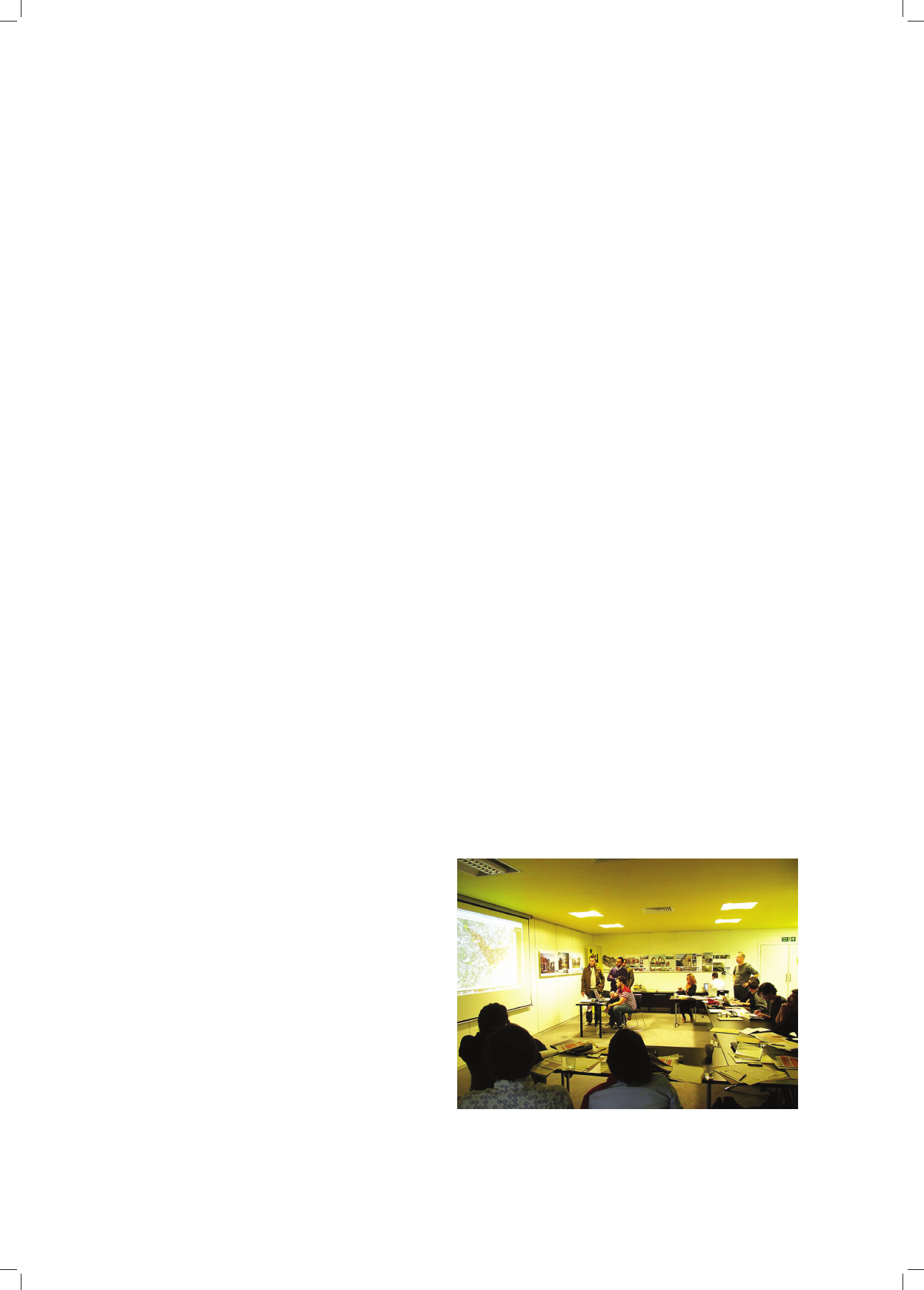
The presentation of the “GRADS group” developed
and supported by MADE was very interesting. The main
goal of this self-governing initiative is to develop and im-
prove the skills of new graduates that will ultimately help
them fi nd employment. In a competitive labor market this
2. Colaborativa
Colaborativa jest agencją społeczną i pracownią pro-
jektową tworzoną przez architektów i inżynierów. Współ-
pracuje z ludźmi, społecznościami i fi rmami nad reali-
zacją projektów, dzięki którym wprowadzane są realne
zmiany. Colaborativa wierzy, że projektowanie i techno-
logia są narzędziami transformacji społecznych, kultural-
nych i gospodarczych. Ich działania kulturalne zachę cają
do debaty i aktywności na rzecz poprawy naszego środo-
wiska zbudowanego. Są stale zaangażowani w projekty
wspólnotowe w Kordobie w celu reaktywacji opuszczo-
nych, publicznych przestrzeni miejskich oraz prowadzą
ciągłą aktywność w ramach nieformalnego kształ cenia
środowiska związanego z budownictwem [2].
3. Vuste-Envis
Vuste-Envis Ltd zostało założone w 1992 r. jako cen-
trum kształcenia zawodowego w Pradze. Organizacja ma
duże doświadczenie we współpracy z uczestnikami pro-
gramu „Uczenie się przez całe życie” z całej Europy. Każ-
dego roku więcej niż stu stypendystów Leonardo zostaje
objętych jej opieką. Większość uczestników to absolwen-
ci i studenci, którym zapewnia wstępne przygotowanie
kulturowe i oferuje odpowiednie staże zawodowe trwają-
ce 1–6 miesięcy. Vuste-Envis współpracuje bezpośrednio
z pracodawcami i koordynuje komunikację między nimi
a przyjezdnymi, organizując rozmowy i spotkania wpro-
wadzające. Oferuje również doradztwo i wsparcie pod-
czas odbywania praktyk, aby upewnić się, że wszystkie
indywidualne wymagania zostały spełnione [3].
4. Wydział Architektury La Cambre-Horta
Wydział Architektury La Cambre-Horta jest częścią
Université Libre de Bruxelles i grupy UNICA zrzesza-
jącej uniwersytety europejskie. Wydział Architektury po-
wstał w wyniku połączenia dwóch instytutów, z których
każdy szczyci się bogatym doświadczeniem w kształce-
niu. Nowy wydział wskazuje, że architektura jest sztu-
ką publiczną i społeczną, łączącą twórczość z nauką, rze-
czywistość z wyobraźnią, dyscyplinę z uczuciami, poezję
z kunsztem, tradycję z innowacją [4].
5. Politechnika Wrocławska
Politechnika Wrocławska jest publiczną instytu-
cją szkol nictwa wyższego założoną w 1945 r. Pozycja
w dzie dzinie badań i nauczania stawia ją wśród najlep-
szych uczelni technicznych w Polsce. Standardy eduka-
cyjne oferowane na uczelni są ściśle związane z dyna-
micznym rozwojem pracy naukowej i doświadczeniami
w zakresie przemysłu. Badania i edukacja są w dużym
stopniu uzależnione od międzynarodowej współ pracy
z po nad 430 uczelniami partnerskimi na całym świecie.
Na PWr studiuje ponad 33 000 studentów wielu kierun -
ków, w tym architektury i budownictwa [5].
Pierwsze spotkanie
W dniach 28–30 listopada 2012 członkowie part-
nerstwa spotkali się osobiście po raz pierwszy w Wiel-
kiej Brytanii, w siedzibie koordynatora projektu MADE
w Birmingham. W seminarium udział wzięli: Wydział Ar-
chitektury Politechniki Wrocławskiej (WA PWr), Colabo-
rativa i Vuste-Envis. Podczas zjazdu zaczęto precyzować
100 Sprawozdania /Reports
ideę i cele projektu poprzez cykl dyskusji, seminariów
i wykładów prowadzonych przez MADE. Organizacja
ta pomaga młodym ludziom zaangażować się w spra-
wy środowiska budowlanego, prezentując im możliwo-
ści zawodowe, i wspiera absolwentów w poszukiwaniu
pracy. Podczas spotkania każdy z partnerów opo wiadał
o ostatnich działaniach w swojej instytucji macierzy-
stej, o oczekiwaniach wobec wyników projektu, zarów-
no w kon tekście własnej instytucji, jak i całego partner-
stwa. Prezen tacje umożliwiły dyskusję o możliwoś ciach
wypra cowania wspólnych celów i jego wymiernych efek-
tach, zarówno „miękkich”, jak i „twardych”.
Bardzo ważnym elementem dyskusji dla wszystkich
uczestników był problem współczesnego architektonicz-
nego rynku pracy i jego wymagań względem młodych lu-
dzi w każdym kraju. W niemalże wszystkich regionach
Europy globalny kryzys ekonomiczny miał niekorzystny
wpływ na rozwój zawodów związanych ze środowiskiem
zbudowanym, od upadku wielu małych fi rm, po spadek
zatrudnienia w dużych. Zgodzono się, że skutecznymi
metodami walki z zaistniałą sytuacją są różnego rodzaju
staże i działania w ramach programu Leonardo. W związ-
ku z tym omówiono wytyczne współpracy w tym zakresie.
Bardzo ciekawa okazała się prezentacja grupy „GRADS
Group” (il. 1), założonej i wspieranej przez MADE.
Głów nym
celem tej inicjatywy jest rozwój i podnosze-
nie umie jętności absolwentów, co wspomaga proces ich
za trud niania. Pozwala im to na uzupełnienie swojego CV
o pra ktyczną działalność zawodową, przez co stają się
konku rencyjni na rynku pracy. Absolwenci biorą udział
w reali zacji rzeczywistych projektów, a organizacja gru-
py jest podobna do pracy w fi rmie architektonicznej. Ich
propozycje i koncepcje są udostępniane lokalnym spo-
łecznościom w Birmingham nieodpłatnie, co wspomaga
przezwyciężanie problemów społecznych. Czasami jest
to konkretne wyzwanie projektowe, kiedy indziej to pró-
ba rozpoczęcia procesów rewitalizacyjnych w celu po-
prawy środowiska życia na danym obszarze. Czas poka-
zał, że członkowie grupy bardzo szybko znaleźli miejsca
pracy. W projekcie zastąpili ich nowi absolwenci, którzy
kontynuują dzieło poprzedników. Ta prezentacja skłoni-
ła WA PWr do skontaktowania się ze swymi studenta-
mi i absolwentami, celem zaoferowania im dodatkowych
szkoleń zawodowych dotyczących przygotowania CV
czy rozwijania kariery zawodowej.
Spotkanie koncentrowało się również na angielskim
systemie edukacyjnym zaprezentowanym na przykładzie
Birmingham. Partnerzy odwiedzili wydział architektu-
ry w Birmingham City University (BCU), aby uzys kać
informacje na temat programu studiów, profi lu naucza-
nia i działalności uczelni. Prezentację prowadził Kevin
Singh, Dziekan Wydziału BCU. Kolejne spotkanie odbyło
się w Millennium Point, gdzie zlokalizowano dział plano-
wania miasta, środowiska i rozwoju (BCU’s Department
of City Planning, Environment and Development). Prze-
wodnikiem była Nicki Schiessel-Harvey, która przedsta-
wiła działalność i strukturę wydziału oraz szczegółowo
omówiła interdyscyplinarny projekt realizowany z Radą
Miasta Birmingham. Ma on za zadanie połączyć kształ-
cenie akademickie z praktyką. Podczas wizyty omówiono
enhances their CV and keeps it current. They work on real
world “live” projects that are similar to the work of an
architecture studio. However, their design proposals and
concepts are granted free of charge to local communities
in Birmingham, this supporting community challenges.
Sometimes this is for a specifi c design challenge and other
times it is a more general attempt to start the revitalization
processes in order to improve the living environment in
a particular area. The experience has shown that members
of the group have found commercial posts very quickly
and have now been replaced by new graduates who con-
tinue the work of predecessors. This presentation inspired
FA WrUT to contact unemployed graduates of their fac-
ulty in order to offer them additional tutoring connected
to VET problems to enhance their CVs and professional
careers.
The meeting was also focused on academic tutoring in
England using examples within Birmingham. The part-
nership visited the Faculty of Architecture at Birmingham
City University (BCU) to learn about the studies program,
tutoring profi le and activities. Kevin Singh, Dean of Fac-
ulty at BCU, led the presentation. The next meeting was
held in Millennium Point where BCU’s department of
City Planning, Environment and Development is based.
The guide was Nicki Schiessel-Harvey who presented the
work and structure of the faculty and gave details on an
interdisciplinary project with Birmingham City Council
linking academia and practice. During the visit, the prob-
lems with regenerating city districts (mostly industrial)
were discussed, together with the need of activating com-
munity participation.
Aside from vocational learning, this mobility also
looked at the promotion of architecture among school pu-
pils. Members of the partnership saw early opportunities
for increasing environmental awareness as an important
way to encourage participation and engagement of young
people to promote the consistent and harmonious devel-
opment of European cities into the future. Young people
who have the opportunity to get acquainted with the de-
Il. 1. Prezentacja „GRADS Group”, Birmingham, Wielka Brytania
(fot. J. Jabłońska)
Fig. 1. Presentation from GRADS Group, Birmingham, United Kingdom
(photo by J. Jabłońska)

Sprawozdania /Reports 101
sign process at an early age are more equipped to make
good decisions when choosing their further education op-
tions. Partners met staff and pupils from the technology
department of St Edmunds School, Wolverhampton, and
heard from Course leader Lakshmi Devi. They also had
the chance to see building models that were prepared by
students on architectural courses.
Second mobility
The next meeting took place between 4–6 of April 2013
and it was held by Vuste-Envis, a training organization
located in Prague, Czech Republic. Attendees included
MADE, FA WrUT, Université Libre de Bruxelles and Co-
laborativa. The Belgian partners, who for administration
reasons were not present at the fi rst meeting, started the
debate. Geneviève Martin – coordination from Brussels –
presented the history, activities and educational programs
of the faculty. David Erkan, a teacher in the architectural
studios, presented the student’s projects from the second
bachelor to masters level. The teaching method com-
prises of the complete development of the design process
through all stages of the project, from concept to object.
Therefore, in a different course “the Design and Architec-
ture” led by Victor Levy, the implementation of designed
objects can meet the technical and structural constraints,
as well as human resource management team. Also, “The
Design Process” course was presented, which focuses on
creative media and computer tools to understood me thods
and techniques in the study of architectural design process.
During this class, David Erkan leads the practical aspects
of the design, such as support for computer software, and
Geneviève Martin manages the analysis and observations
of the process and its design on the basis of scien tifi c re-
search on creative design. The Belgian partners also de-
tailed their work placement offer for gra duates, lasting six
months in a European offi ce, in the frame of the project
FoCEJA – Supplementary European Training for Young
Architects. The group discussed how their developed
“know how” could be shared to support graduates and to
build new partnerships based on this model.
The next element of the Prague seminar was a detailed
study on Leonardo mobility programs led by Lukas Ce-
tera of Vuste-Envis. Statements from interns, who had
taken part in mobilities, supplemented the lecture. They
included good practice examples from hosting companies,
alongside discussion of new possibilities resulting from
the experience.
The program also included a visit to the relatively re-
cently opened private institution – the Architectural In-
stitute in Prague (ARCHIP). Regina Loukotová – Head
of the school, hosted the meeting. The mobility involved
visits to the Centre for Central European Architec -
ture. The CCEA is an organization that co-operates with
Vuste-Envis regularly and among others is responsible
for hosting interns from the Leonardo program. Yvette
Va sourkova led the meeting with support from current
appre ntices, who presented their experiences. The institu-
tion accepts interns from building professions as well as
education and humanities. As an outcome, interdiscipli-
problemy z rewitalizowaniem dzielnic miejskich (głów-
nie przemysłowych) oraz potrzebę aktywizacji społecz-
ności do udziału w tym przedsięwzięciu.
Oprócz kształcenia zawodowego spotkanie dotyczy-
ło promowania architektury wśród uczniów szkół śred-
nich. Członkowie partnerstwa dostrzegli w takich dzia-
łaniach możliwości zwiększenia społecznej świado mości
dotyczącej środowiska zbudowanego, zachęcenia i zaan-
gażowania młodych ludzi do udziału w promowaniu spój-
nego i harmonijnego rozwoju miast europejskich w przy-
szłości. Uczniowie, którzy mieli możliwość zapoznania
się z procesem projektowania, są lepiej przygotowani,
aby podejmować właściwe decyzje przy wyborze przy-
szłego kierunku edukacji. Partnerzy spotkali się z perso-
nelem i uczniami z działu technicznego szkoły St. Ed-
munds w Wolverhampton i wysłuchali Lakshmi Devi
– twórczyni i nauczycielki przedmiotu poświęconego ar-
chitekturze. Mieli także okazję zobaczyć modele budyn-
ków wykonane przez uczniów podczas kursów architek-
tonicznych.
Drugie spotkanie
Kolejne spotkanie odbyło się w dniach 4–6 kwietnia
2013 r. i było prowadzone przez Vuste-Envis, organizację
szkoleniową z Pragi w Czechach. Uczestnikami zjazdu
byli: MADE, WA PWr, Université Libre de Bru xelles i Co-
laborativa. Debatę rozpoczęli przedstawiciele belgijscy,
którzy z powodów administracyjnych nie byli obecni na
pierwszym spotkaniu. Geneviève Martin – ko ordynatorka
z Brukseli – przedstawiła historię, działalność i program
edukacyjny tamtejszego wydziału architektury. David Er-
kan, prowadzący zajęcia projektowe, zaprezen tował pra-
ce studentów od drugiego roku studiów licencja ckich
po ostatni rok studiów magisterskich. Metoda naucza-
nia obejmuje zintegrowany proces tworzenia projektu od
kon cepcji do realizacji. Przykładowo podczas kursu pt.:
„the Design and Architecture”, pod opieką Victora Le-
vy’ego, projektowane budynki są uzupełniane o elemen-
ty konstrukcyjne i techniczne, co więcej – studenci uczą
się zarządzania osobami w procesie projektowym. Dodat-
kowo zaprezentowano kurs „The Design Process”, skon-
centrowany na mediach dedykowanych twórczości i na-
rzędziach komputerowych wspomagających zrozumienie
metod i technik stosowanych w badaniach procesu pro-
jektowania archi tektonicznego. Podczas tych zajęć David
Erkan przybli ża praktyczne aspekty projektowania, jak
wsparcie odpo wiednim oprogramowaniem kompute-
rowym, na tomiast Geneviève Martin prowadzi analizy
i ob serwację tego procesu oraz powstałego w jego wyni-
ku projektu, opierając się na badaniach naukowych doty-
czących kreatywnego projektowania. Partnerzy belgijscy
omówili szczegółowo swoją ofertę sześciomiesięcznych
staży dla absolwentów w biurach europejskich, w ramach
projektu FoCEJA – Supplementary European Training for
Young Architects (Dodatkowych Europejskich Szkoleń
dla Młodych Architektów). Grupa zastanawiała się, jak
wykorzystać to doświadczenie we wspieraniu absolwen-
tów i budowaniu nowych porozumień opartych na przed-
stawionym modelu.
102 Sprawozdania /Reports
Kolejnym elementem seminarium w Pradze było
szczegółowe studium na temat programów działalności
Leonardo, przeprowadzone przez Lukasa Ceterę z Vuste-
-Envis. Wykład uzupełniły wypowiedzi stażystów, którzy
brali udział w działaniach instytucji gospodarza. Wspo-
mniano również o przykładach dobrych praktyk w fi r-
mach goszczących praktykantów oraz o nowych moż-
liwościach, jakie otwierają się przed uczestnikami staży.
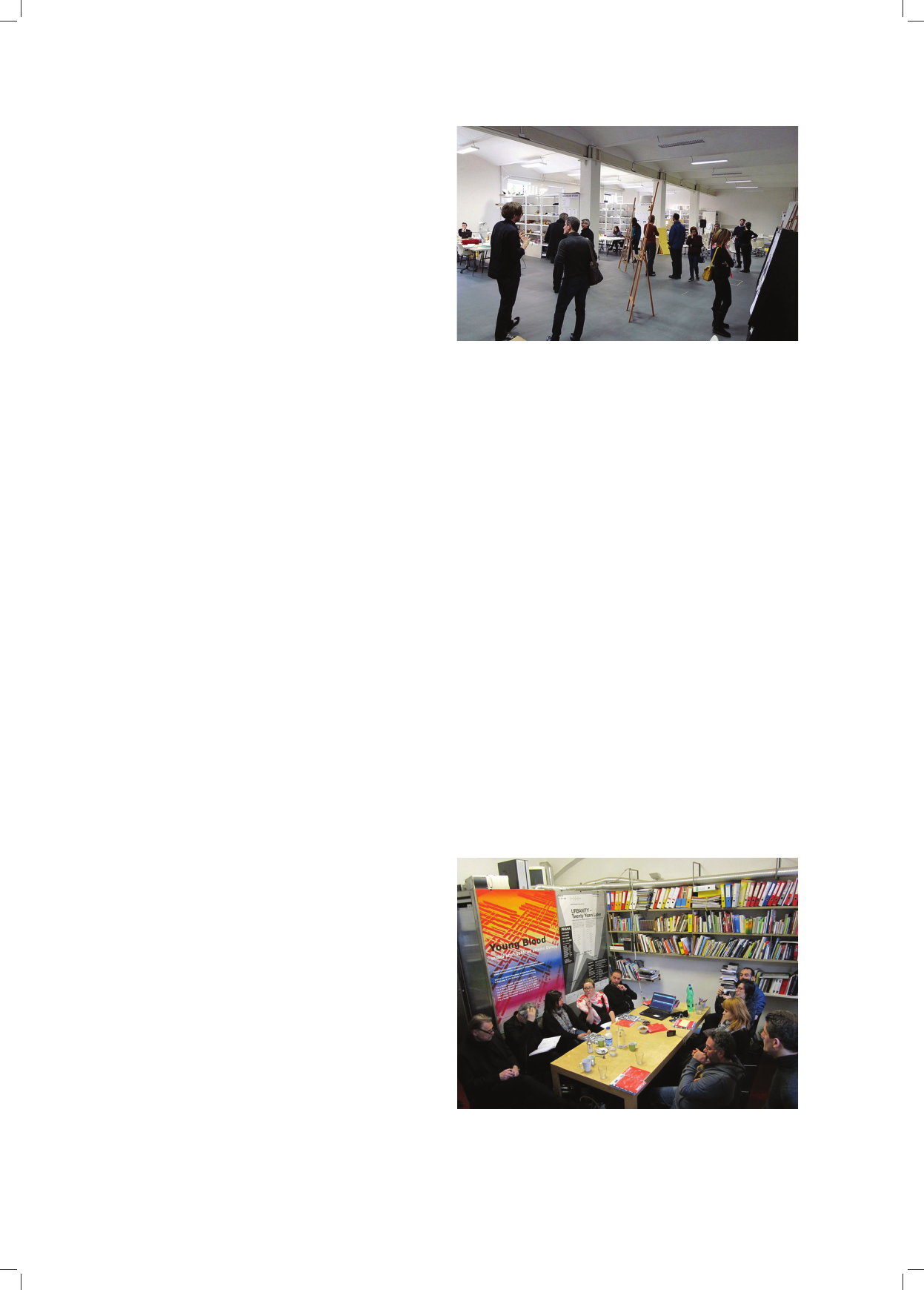
Program obejmował też wizytę w niedawno otwar-
tej prywatnej uczelni – Instytucie Architektonicznym
w Pradze (ARCHIP). Zorganizowała ją Regina Louko-
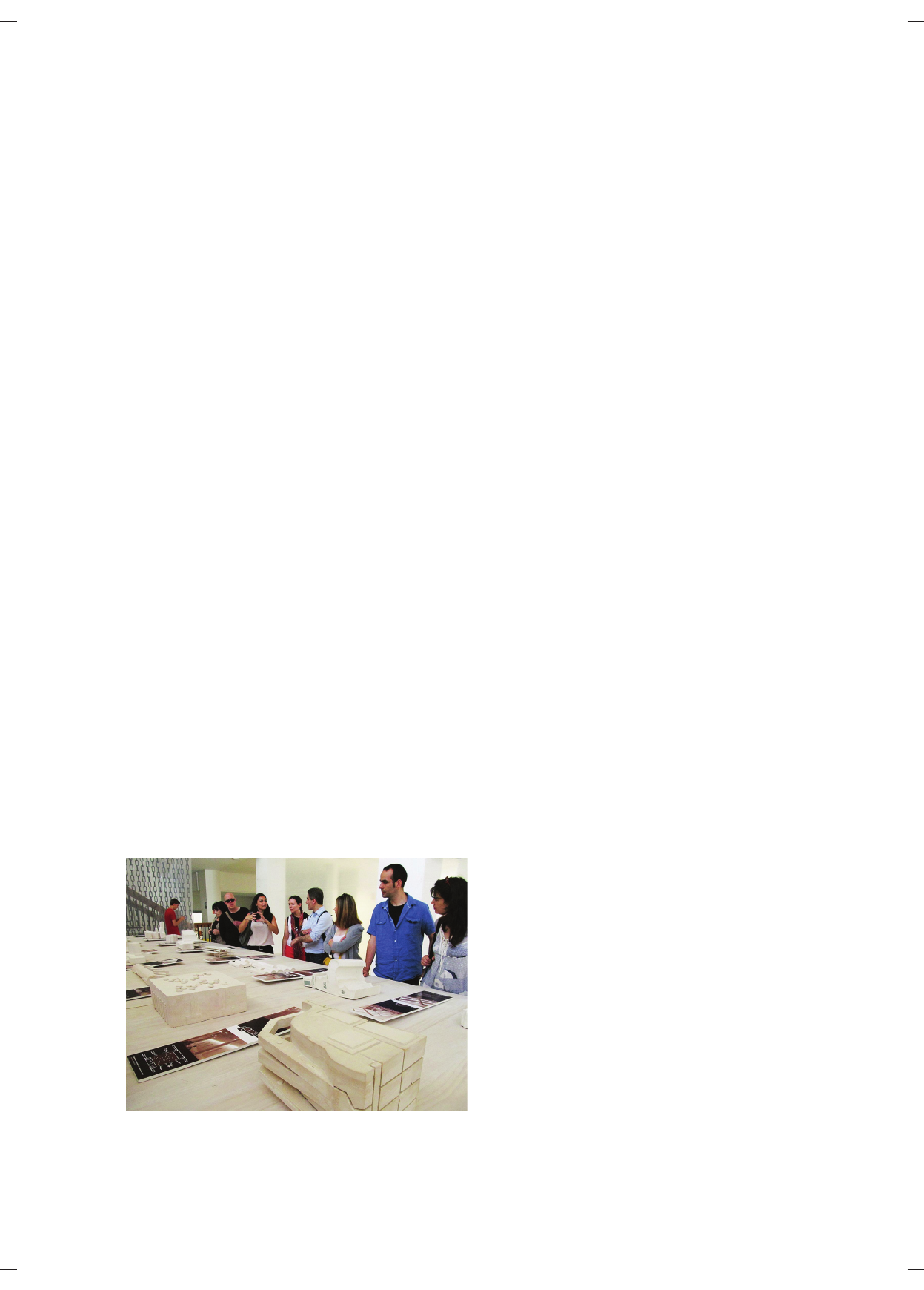
tová – dyrektor szkoły (il. 2). Spotkanie partnerskie obej-
mowało odwiedziny w Centrum for Central European
Architec ture (CCEA) – organizacji, która współpracuje
z Vuste-Envis (il. 3). Jest ona m.in. odpowiedzialna za
przyj mowanie stażystów w ramach programu Leonar-
do. Spotkanie prowadziła Yvette Vasourkova, wspiera-
na przez praktykantów, którzy opowiadali o swoich do-
świadczeniach. Instytucja przyjmuje stażystów z branży
projektowo-budowlanej, jak również edukacyjnej czy na-
uk humanistycznych. W wyniku tego tworzone są grupy
interdyscyplinarne, które pracują nad projektami społecz-
nymi, zadaniami architektonicznymi i inicjatywami zwią-
zanymi z planowaniem miasta.
Kluczowym elementem inicjatyw CCEA jest zaniedba-
na przestrzeń miejska, opuszczona przez uż
ytkow ników,
która przy niewielkim wsparciu fi nansowym może stać
się miejscem integracji i aktywności społecznoś ci lokal-
nej. Działania tej organizacji mają również na celu zwięk-
szenie świadomości społecznej w odniesieniu do roz woju
miasta i jego architektury. Zauważono, że wspólna praca
specjalistów z różnych dziedzin jest ciekawa, skuteczna
i sprzyja innowacyjnemu podejściu do opracowanych te-
matów oraz wzajemnej nauce.
W trakcie tego spotkania odbyły się także wykła-
dy, prezentacje i spacery służące omówieniu problemów
współ czesnej Pragi oraz podkreślające rolę, jaką młodzi
ar chitekci i urbaniści odgrywają w rozwoju miasta. Po
dyskusjach wymieniano między gośćmi a gospodarzami
pomysły dotyczące wspólnej publikacji. Ponadto udało
się ulepszyć plan pracy, zaktualizować działania partner-
skie i określić wkład w tworzenie strony www, dostoso-
wać harmonogram do nowych potrzeb oraz zainicjować
dyskusję na temat przygotowania artykułów i ich rozpo-
wszechniania.
Trzecie spotkanie
Trzecie spotkanie projektu odbyło się w dniach od 5 do
7 czerwca 2013 w Hiszpanii. Instytucją goszczącą była
Colaborativa, z siedzibą w Kordobie. Uczestnicy pocho-
dzili z: MADE, WA PWr, Vuste-Envis i Wydziału Archi-
tektury ULB. Ze względu na szeroki zakres działalności
Colaborativy grupa odwiedziła dwa hiszpańskie miasta:
Malagę i Kordobę. Członkowie partnerstwa podczas wy-
cieczki i spotkania z uczniami oraz nauczycielami dowie-
dzieli się o pracy wykonywanej w Szkole Architektury
w Maladze. Spotkanie prowadził koordynator do spraw
międzynarodowych José Andrade i pani architekt Eva
Morales. Skupiono się na kształceniu, poznaniu progra-
nary groups can be created and are able to work on so-
cial projects, architectural assignments or city planning
initiatives.
A key focus of CCEA initiatives is the neglected town
space, “abandoned” by users, which with just a small
amount of fi nancial recourses can become a place for lo-
cal community integration and action. They also aim to
increase social awareness in relation to the city’s develop-
ment and architecture. It was noticed that common work
of specialists with varied points of view is interesting,
effective and favors mutual learning and an innovative
approach towards elaborated topics.
During this meeting there were also lectures, presenta-
tions and walks concerning problems of modern Prague
and the role that young architects and urban planners play
in the city development.
Following discussions, ideas were exchanged between
delegates and the host on the assumptions for common
publication. Also, the partnership managed to refi ne the
work plan, update partner activities and website contri-
Il. 2. Wizyta w ARCHIP, prywatnym instytucie architektury w Pradze,
Republika Czeska (fot. Colaborativa)
Fig. 2. Visiting ARCHIP, a private institute of architecture in Prague,
Czech Republic (photo: Colaborativa)
Il. 3. W Centre for Central European Architecture, Praga,
Republika Czeska (fot. Wydział Architektury La Cambre-Horta)
Fig. 3. At Centre for Central European Architecture, Prague,
Czech Republic (photo: The Faculty of Architecture La Cambre-Horta)
Sprawozdania /Reports 103
mu akademickiego, przedyskutowano temat problemów
edukacji architektonicznej i urbanistycznej w Hiszpanii.
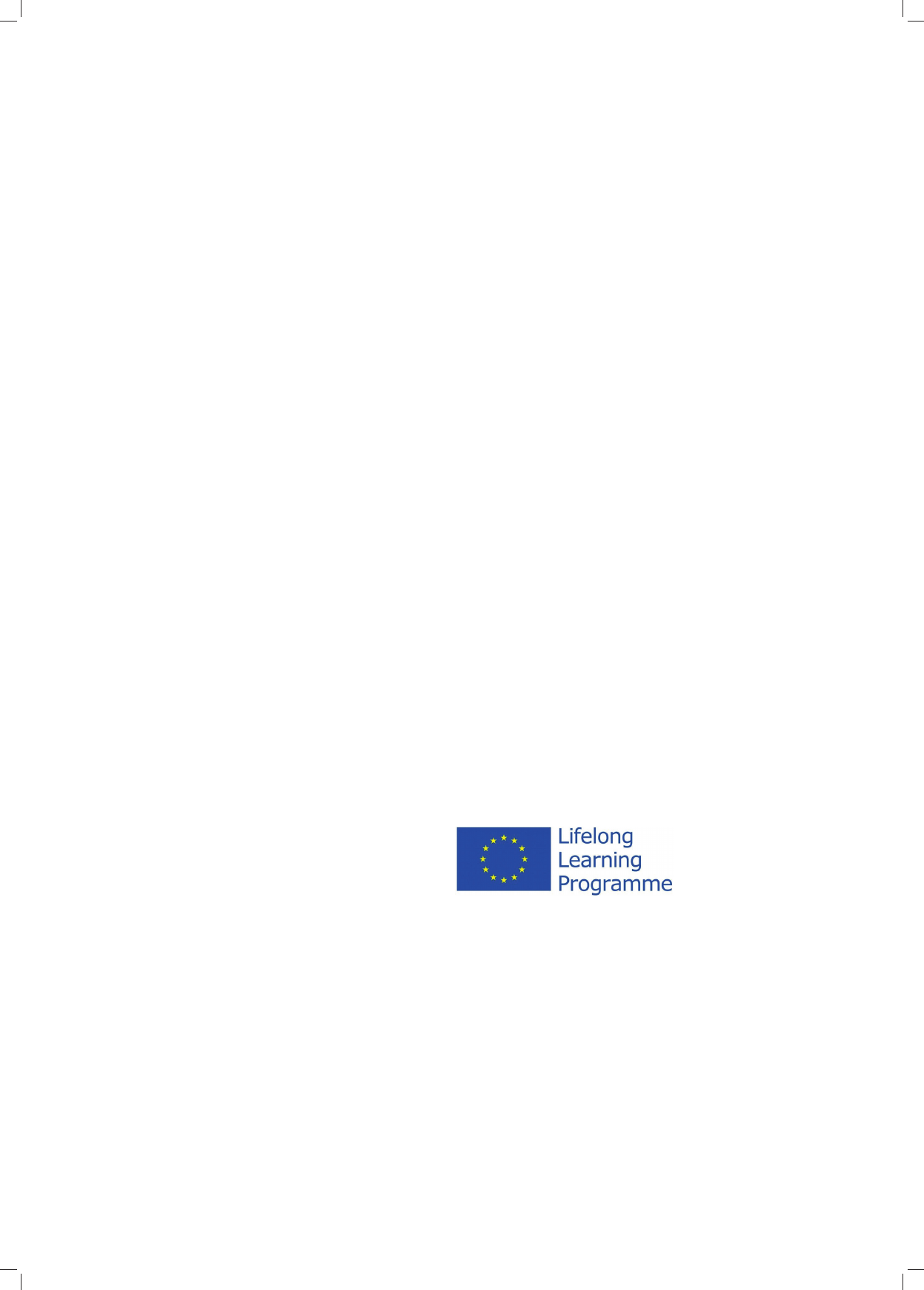
Goście obejrzeli także wystawę prac studentów (il. 4).
Eva Morales opowiedziała też o jednym ze swoich pro-
jektów zatytułowanych „MasQueUnaCasa”. Ma on formę
platformy internetowej dostępnej pod adresem www.ma-
squeunacasa.org. Narzędzie to skierowane jest do wzno-
szących swoje domy metodami gospodarczymi i oferuje
alternatywny sposób budowy, który jest oparty wyłącz-
nie na działaniach prywatnych właścicieli nieruchomo-
ści. „MasQueUnaCasa” gromadzi dane na temat opartych
na kolektywnej produkcji i użytkowaniu, godnych pole-
cenia metod, które sprawdziły się w innych krajach. Ta-
kie rozwiązanie ma na celu zminimalizowanie kosztów
budowy, co może mieć pozytywny wpływ na spowolnie-
nie kryzysu gospodarczego, zmniejszenie emisji dwutlen-
ku węgla i wstrzymanie degradacji środowiska naturalne-
go. Dodatkowo jeden z absolwentów architektury uczelni
w Maladze przedstawił wszystkim rzeczywiste miejsco-
we projekty, w które zaangażowani są studenci, takie jak
„La casa invisible” („Niewidzialny dom”) czy samorząd-
ne centrum kulturalno-społeczne. W centrum tym mło-
dzi projektanci pomagają przy odnowie przestrzeni, an-
gażują się w proces komunikacji oraz doradztwo prawne.
Waga przeciwdziałania problemom społecznym w hisz-
pańskich szkołach architektury została wyraź
nie ukazana
przez samych studentów. Dla kończących studia architek-
tury istotne jest, że już w toku nauki mogą mieć kontakt
z problemami prawdziwego świata oraz poznać praktycz-
ne podejście do wykonywanego zawodu.
Następnie grupa udała się z wizytą do Kordoby, gdzie
kontynuowano dyskusję o edukacji w szkołach średnich
i potrzebie zwiększania świadomości hiszpańskiego spo-
łeczeństwa w zakresie procesu projektowania architektury
i planowania miast. Program obejmował spotkanie w ko-
legium Virgen del Carmen. Podczas tego spotkania człon-
kowie partnerstwa odbyli wycieczkę po szkole i mie-
li okazję porozmawiać z uczniami klasy technicz nej. Co
ciekawe, uczniowie kształcą się przy użyciu naj nowszych
butions, adjust the timeline to meet new needs and to
initiate discussion on a joint publication, articles and dis-
semination.
Third mobility
The third mobility of the project took place between
5
th
–7
th
of June in Spain. The hosting institution was Cola-
bo rativa, based in Córdoba. Attendees came from: MADE,
FA WrUT, Vuste-Envis and Faculty of Architecture at the
ULB. The group visited two Spanish cities: Málaga and
Córdoba, due to the broad range of Colaborativa’s activi-
ties. Members of the partnership learnt about the work
of the School of Architecture of Málaga through a tour
and meetings with students and teachers, led by interna-
tional affairs coordinator Mª José Andrade and architect
Eva Morales. Alongside an exhibition of student’s work,
the visit focused on school activities, with a presentation
of the academic program and a discussion on the prob-
lems of architectural and city planning education in Spain.
Eva Morales also talked about one of her projects titled
“MasQueUnaCasa” which is an Internet platform avail-
able at www.masqueunacasa.org. This online tool helps
those interested in self-managing housing processes and
shows alternatives to the dominant model of getting
a house, which is based exclusively in private promotion
and individually owned houses. “MasQueUnaCasa” gath-
ers successful models that are working in other countries,
based on collective methods of production and use. This
solution aims at minimizing building costs, which may
have positive infl uence on slowing down economic crisis,
decreasing carbon dioxide emission and stopping degra-
dation of natural environment. Additionally, a graduated
architect from Málaga, explained to all partners real city
projects, in which students of the School of Architecture
are involved, such as “La casa invisible” or a self-man-
aged cultural and social center. Students help this center
to refurbish the space, while they are involved in the com-
munication process and legal advice issues. The impor-
tance of social problems in Spanish architecture schools
was clearly shown by the students themselves. It is essen-
tial that contact with the real world problems and a prac-
tical sense of profession relate to students fi nishing their
architecture studies.
The group travelled to Córdoba where they conti nued
their visit as well as discussions about education in sec-
ondary schools and the need to increase awareness in
Spanish society of architecture and city planning process.
The program included meeting in Colegio Virgen del Car-
men, where Partnership members took a tour of the school
and had a chance to talk to the students of the technology
class. Interestingly, the students are educated with the sup-
port of the newest information technologies and e-books.
The children were strongly interested in architecture as
a profession and technical knowledge as well as in the in-
ternational Leonardo project. Meetings were followed by
presentations from speakers, who worked with Colabora-
tiva. The topics included culture, art and architecture pro-
motion in the groups of older and younger children, as well
as their parents. Among others there were presentations by
Il. 4. Makiety architektoniczne studentów Szkoły Architektury
w Maladze, Hiszpania (fot. J. Jabłońska)
Fig. 4. Architectural models from students of the School of Architecture
of Málaga, Spain (photo by J. Jabłońska)
104 Sprawozdania /Reports
technologii informatycznych i e-booków. Dzieci wykaza-
ły zainteresowanie zarówno zawodem archi tekta, wiedzą
techniczną, jak i międzynarodowym projektem Leonar-
do. Po spotkaniu z uczniami współ pra cownicy Colabo-
rativy rozpoczęli prezentację na temat promocji kultury,
sztuki i architektury wśród młodszych i starszych dzie-
ci oraz ich rodziców. Między innymi Juan Robert mó-
wił o pro jektach „Schoolture” i „Urbanismo para niños”,
a Carmen Cerezo zaprezentowała program „La Casa de
Tomasa”. Innym z omówionych działań było „Crea tu
ciudad”, które ma na celu edukację najmłodszych miesz-
kańców i użytkowników miasta w związku z proble ma mi
współczesnych miast w życiu codziennym. W działa niu
wykorzystano model w dużej skali, który wypeł niono
ele mentami urbanistycznymi wykonanymi przez dzieci.
Dy skusja na temat konieczności artystycznej i architek -
to nicz nej edukacji młodzieży oraz możliwości wspiera -
nia i rozpowszechniania tych inicjatyw trwała jeszcze
długo po zakończeniu ostatniego wystąpienia. Podczas
wizyty partnerzy dowiedzieli się również o projektach
związa nych z problemami mniejszości etnicznych w hisz-
pańskich miastach, np. podczas spotkania w Centrum
Kul tury Żydowskiej „Casa Sefarad”.
Podsumowanie
Podczas spotkań partnerzy dzielili się swymi najnow-
szymi dokonaniami, w duchu rozwoju edukacji i wy-
miany doświadczeń w zakresie dobrych praktyk. Ogólna
ocena programu została przygotowana wspólnie podczas
dyskusji na temat postępu i podziału ról przy tworzeniu
każdej z części „Raportu Dobrej Praktyki” [6].
Podziękowania
Niniejszy artykuł powstał przy współpracy: Magdy Sánchez z Colabo-
rativy (Kordoba, Hiszpania), Lukasa Cetery z Vuste-Envis (Praga, Re-
publika Czeska) i Geneviève Martin z Wydziału Architektury Université
Libre de Bruxelles (Belgia).
Publikacja powstała w wyniku projektu zrealizowanego przy wspar-
ciu fi nansowym Komisji Europejskiej w ramach programu „Uczenie się
przez całe życie”. Publikacja odzwierciedla jedynie stanowisko autora.
Komisja Europejska ani Narodowa Agencja nie ponoszą odpowiedzial-
ności za umieszczoną w niej zawartość merytoryczną ani za sposób wy-
korzystania zawartych w niej informacji.
Juan Robert, titled “Schoolture”, “Urbanismo para niños”
and “La Casa de Tomasa” by Carmen Cerezo. One of the
activities described was “Crea tu ciudad”, which aims at
educating the youngest city users about the problems of
modern cities in their daily life. This activity was based
on the use of large-scale model, fi lled with urban elements
made by the children themselves. Discussions on the
need for artistic and architectural education among young
people and possibilities of supporting and spreading these
initiatives lasted long after the last speaker fi nished. The
visit also included information about projects connected
with problems of Spanish dwellers, i.e. meeting in Jewish
Culture Center named “Casa Sefarad”.
Summary
During the partnership meeting each party shared their
recent related activity in the spirit of developing and shar-
ing good practice. General evaluation of meeting was pre-
pared together with discussion on progress and division of
the roles needed to create each section of the good prac-
tice document and articles [6].
Translated by
Joanna Jabłońska
Acknowledgements
This article was elaborated with the collaboration of Magda Sánchez
from Colaborativa, Cordoba, Spain, Lukas Cetera from Vuste-Envis,
Praha, Czech Republic, Geneviève Martin from Faculty of Architecture
Université Libre de Bruxelles, Belgium.
This project has been funded with support from the European Commis-
sion under the Lifelong Learning Programme.
This publication [communication] refl ects the views only of the author,
and the Commission cannot be held responsible for any use that may be
made of the information contained therein.
Bibliografia /References
[1] MADE, www.made.org.uk [accessed: 17.04.2014].
[2] Colaborativa.eu, http://colaborativa.eu/en/ [accessed: 17.04.2014].
[3] Vuste-Envis, http://www.vuste-envis.eu/ [accessed: 17.04.2014].
[4] The Faculty of Architecture La Cambre-Horta, http://www.archi.
ulb.ac.be/ [accessed: 17.04.2014].
[5] Wrocław University of Technology, http://pwr.wroc.pl/index.dhtml
[accessed: 17.04.2014].
[6] Vocational Architecture, http://vocationalarchitecture.wordpress.
com/ [accessed: 17.04.2104].
Streszczenie
„Architecture Vocational Learning Network” (Sieć Architektonicznego Kształcenia Zawodowego) to nowa organizacja partnerska zrzeszająca
europejskie ośrodki architektoniczne, wydziały architektury uczelni wyższych i centra kształcenia zawodowego. Zajmuje się wzmacnianiem
związków pomiędzy kształceniem i szkoleniem zawodowym a środowiskiem pracy w zakresie: urbanistyki, planowania miast, architektury,
architektury krajobrazu etc. Podczas cyklu seminariów (każde prowadzone przez innego partnera), przeplatanych sesjami komunikacji interne-

Sprawozdania /Reports 105
towej, współpracownicy skupiali się na: przygotowaniu wspólnego stanowiska dotyczącego kształcenia i szkolenia zawodowego dla środowiska
budowlanego, wsparciu dla absolwentów wchodzących na rynek pracy, wskazówkach i poradach dla nauczycieli szkół średnich. Ten artykuł został
poświęcony przedstawieniu zakresu badań i działań podjętych przez partnerów mających na celu osiągnięcie wyżej wymienionych celów.
Słowa kluczowe: architektoniczne szkolenia zawodowe, szkolenia zawodowe dla zawodów budowlanych, wsparcie dla absolwentów na rynku pracy
Abstract
This new European grouping of architecture centres, Faculties of Architecture and vocational training organisations develops closer links between
vocational education and training (VET) and the world of work in the areas of urbanism, town planning, architecture, landscape architecture and
other built environment professions. Through fi ve seminars, each hosted by different partners, interspersed with regular on-line communication, the
partners collaborate on: common approaches to VET for the built environment between the partners; support for graduates entering the labour market,
guidance and advice on VET for secondary school teachers. This article was devoted to present fi eld of studies, activites and actions taken by the
partnership aimed at achieving aforementioned goals.
Key words: Architectural Vocational Training, Vocational Training for building proffesions, Support for Graduates on Labor Market
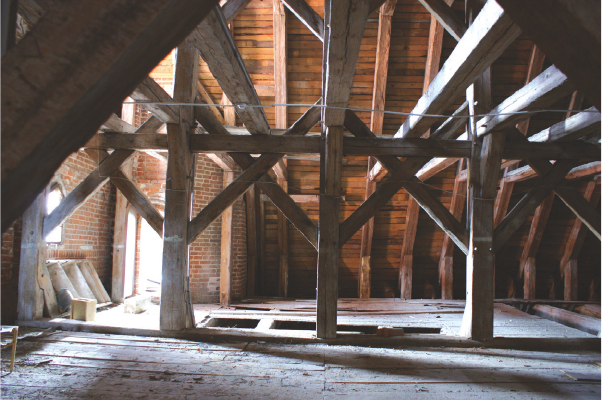
Katedra we Fromborku,
strych nad nawą główną
(fot. E. Łużyniecka)
The cathedral in Frombork,
loft above the main nave
(photo by E. Łużyniecka)